


Beach Plumbing & Heating provides professional boiler servicing, maintenance, and expert advice. Whether you need routine care or help with a boiler concern, our team is here to help. Fill out our contact form to book a visit, or call us on the number at the top of this page.
Blog
How to Maintain Your Boiler to Keep It Running Smoothly
17 December 2025
By Beach Plumbing & Heating
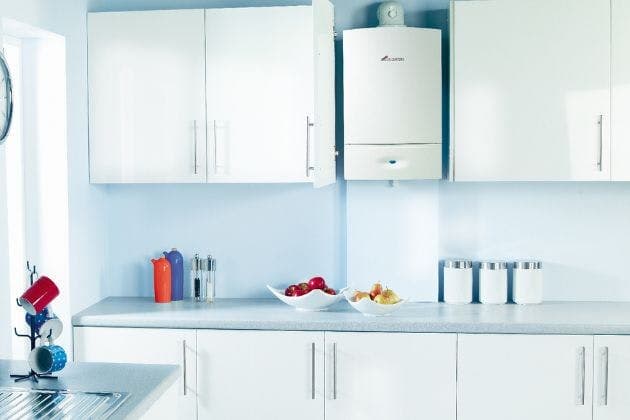
A well-maintained boiler is key to reliable heating, consistent hot water, and lower energy bills. Regular boiler servicing helps prevent unexpected breakdowns, extends the life of your system, and ensures it operates safely throughout the year. By understanding a few simple maintenance steps and knowing when to call a professional, homeowners can keep their boiler running smoothly in every season.
How to Maintain Your Boiler for Reliable Heating
Check Boiler Pressure Regularly
Boiler pressure plays a major role in system performance. If the pressure drops too low, the boiler may struggle to heat your home properly or stop working altogether. Most boilers operate best when the pressure gauge sits between 1 and 1.5 bar when cold.
Homeowners should check the pressure every few weeks and top it up using the filling loop if required. If pressure keeps dropping, this may indicate a leak or an internal fault that should be assessed by a qualified heating engineer. Our guide to why boiler pressure keeps dropping explains the most common causes.
Pressure that is too high matters too. It puts extra strain on seals and joints and can lead to leaks or a failed part, so if the gauge reads well above the level in your boiler's manual, ask an engineer to look at it.
Keep the Area Around the Boiler Clear
Boilers need adequate airflow to operate safely and efficiently. Storing items too close together can restrict ventilation and make it harder to spot early signs of leaks or corrosion. Keeping the surrounding area clear also allows engineers to access the boiler easily during servicing or repairs.
A tidy boiler space supports safe operation and makes routine visual checks quicker and more effective for homeowners.
Bleed Radiators When Needed
Trapped air in radiators can reduce heating efficiency and place extra strain on the boiler. If radiators feel cold at the top but warm at the bottom, bleeding them can help restore even heat distribution.
Releasing trapped air improves circulation, helping the boiler work less hard to heat your home. This simple task can be done safely with a radiator key, but if the issue persists, professional advice is recommended.
Keep the Water in Your System Clean
Over time, the water in a heating system picks up sludge, rust and other debris. This build-up slows the flow of water through the pipes and radiators and stops heat passing through properly, so the boiler has to work harder to keep your home warm. Left alone, it can lead to the boiler overheating or the pump failing.
A radiator that stays cold at the bottom, even after bleeding, is a common sign of sludge. An engineer can check the condition of your system water during a service. Where it's needed, they may recommend a power flush (pumping water through the system at speed to clear out the sludge) and topping up the inhibitor, a liquid added to the system water that helps stop rust forming inside.
Schedule Annual Professional Servicing
An annual boiler service is one of the most effective ways to maintain smooth operation. During a service, a heating engineer checks key components, cleans internal parts where needed, and ensures safety controls are working correctly.
Regular servicing helps identify minor issues before they become serious faults. It also supports energy efficiency and is often required to maintain manufacturer warranties.
A service looks closely at the things most likely to cause a breakdown:
Parts that wear out. Heat, pressure and everyday use slowly wear down seals, pumps, valves, the ignition system and the heat exchanger (the part that passes heat from the burner into your heating water). A perished seal or a weak connection found early can be put right before it fails on a cold night, and before it puts extra strain on other parts.
How the boiler burns gas and clears its fumes. The engineer checks that the burner is working correctly and the gas is burning cleanly, and that the flue (the pipe that carries fumes out of your home) is clear and undamaged. A blocked or damaged flue can make the boiler shut itself down, and it is a safety risk.
Safety devices and controls. Modern boilers have several safety features, including a pressure relief valve, thermostats, sensors and automatic shut-off. If one of them fails or stops reading correctly, the boiler may switch off as a precaution. A service checks each one responds as it should.
Pressure and circulation. The engineer sets the pressure to the manufacturer's recommended level and checks water is moving freely around the system. Poor circulation causes cold spots and makes the boiler switch on and off more than it needs to, which adds wear.
Work on a gas boiler must always be done by a Gas Safe registered engineer. Our engineers are Gas Safe registered, and you can find out more about our boiler service.
Book Your Service Before Winter
Many boiler breakdowns happen in the colder months, when the boiler is working hardest. Booking your service before winter means any worn parts are found and replaced before you rely on the boiler every day, and the engineer has time for a thorough check rather than a rushed one.
Watch for Early Warning Signs
Changes in boiler behaviour should never be ignored. Unusual noises, inconsistent heating, frequent pressure drops, or rising energy bills can all indicate underlying problems. Addressing these signs early can prevent breakdowns and reduce repair costs. A prompt inspection often resolves issues before they affect comfort or safety. If your boiler has already stopped working, our boiler repair page explains how we can help.
Other Articles