Choosing a heating engineer is not just about finding someone who can turn up quickly. You are trusting them with the safety, comfort, and efficiency of your home, so it pays to know what to look for before you book. With the right checks upfront, you can avoid poor workmanship, unexpected costs, and repeat call-outs, and you can feel confident you have chosen someone who is the right fit for your system and your property.
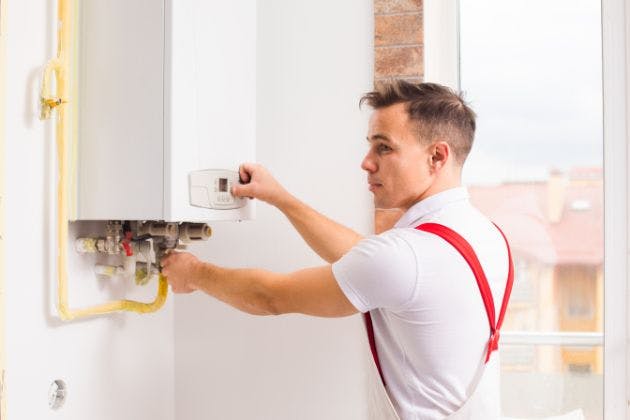
What to look for before booking a heating engineer
Start with the basics: qualifications and registration
If your home uses gas, your engineer should be Gas Safe registered. This is the legal requirement for gas work, and it is also the simplest way to confirm they have met training and competence standards for the work they are offering. If you have oil, LPG, or other systems, ask what specific qualifications they hold for that fuel type and what they are insured to work on.
It also helps to check whether they regularly work on domestic heating rather than mainly commercial sites. Domestic systems often involve different layouts, controls, and customer expectations, and someone who focuses on homes is more likely to spot issues that affect comfort and running costs day to day.
Match the engineer to your heating system and home setup
Not every engineer has the same experience across all boiler brands, control types, and property layouts. Before you book, note down what you have, such as boiler make and model, any smart thermostat brand, and whether you have a combi, system boiler, or regular boiler with a hot water cylinder. This saves time and helps the engineer arrive prepared with the right parts and the right plan.
If your home has older pipework, converted loft spaces, or cold spots in certain rooms, mention that too. A strong engineer will not just fix the immediate fault but will think about balancing, circulation, and controls so the system runs properly across the whole house.
Ask practical questions that reveal how they work
A quick phone call can tell you a lot about what the service will be like. Ask how they diagnose problems, whether they bring common parts, and what the next step is if the issue is more complex than expected. Listen for clear explanations and a willingness to talk you through options, rather than vague answers or pressure to commit quickly.
It is also worth asking how they handle quotes and changes in scope. Heating work can uncover hidden issues, so a reliable engineer will explain what is included, what might be extra, and how they will keep you informed if anything changes once the job starts.
Look for trust signals: reviews, local reputation, and transparency
Reviews are useful, but focus on patterns rather than one perfect rating. Look for comments about punctuality, cleanliness, communication, and whether the job was explained properly. These details often matter more than a single mention of price because they indicate how the engineer behaves in real homes with real disruption.
Transparency is a key trust signal, too. You should expect clear pricing, a written quote for larger work, and a professional approach to paperwork,k such as service records and certificates, where relevant. An engineer who is organised with these details is usually organised with the work itself.
Understand pricing without just choosing the cheapest
It is tempting to choose the lowest price, but heating work is one area where cheap can become expensive. A low quote may not include proper testing, system checks, or the time needed to do the job cleanly and safely. Instead, compare what each engineer includes, how long they expect the job to take, and whether they have allowed for commissioning and advice on controls.
A fair price often reflects a careful process, correct parts, and proper aftercare. If something goes wrong later, you want confidence that the engineer will respond promptly and stand by the work, rather than disappearing once the invoice is paid.
Know what a professional visit should include
For repairs and diagnostics, a professional will usually ask about symptoms, check pressures and readings, inspect key components, and test the system properly rather than guessing. For servicing, you should expect a methodical approach that checks safety devices, performance, and any signs of wear that could lead to breakdowns.
A good engineer will also give you simple guidance at the end. That might include how to monitor pressure, what noises are normal, how to use your thermostat efficiently, and what warning signs mean you should call sooner rather than later.
Looking for a heating engineer in Littleport, Ely and Witchford?
Beach Plumbing & Heating provides reliable heating support for homeowners across Littleport, Ely and Witchford, with a focus on clear advice and safe, tidy workmanship. Call 07455158585 or 01353362034, or fill in our contact form to arrange a visit and get the right help for your home.