
Frozen condensate pipe: how to spot it and thaw it safely
By
When temperatures drop below freezing, one of the most common reasons a modern boiler stops working is a frozen condensate pipe. This pipe carries away acidic water produced during boiler operation, and if it freezes, the boiler can’t drain properly and will shut down as a safety measure. The good news is that frozen condensate pipes are usually easy to spot and can often be safely thawed at home by following a few simple steps and precautions. Acting quickly can restore your heating and hot water without the need for an engineer visit.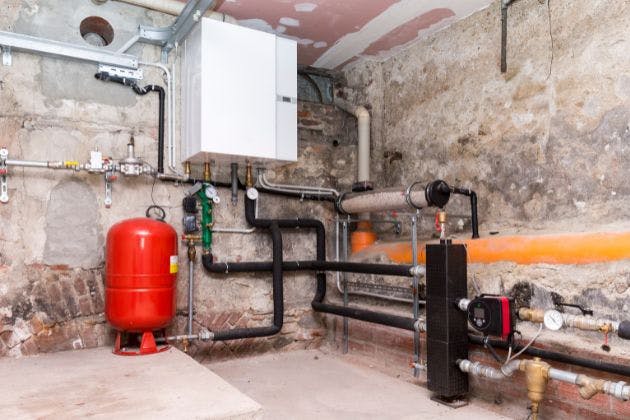
What a condensate pipe does
Condensing boilers recover extra heat from the flue gases, which produces slightly acidic water called condensate. This liquid needs to be drained away from the boiler and into a waste pipe or outside drain.
The small plastic condensate pipe is what carries this water away. Inside the house, it usually runs from the bottom of the boiler, then it may pass through the wall and continue outside before connecting to a drain. Because the pipe is often quite narrow, any freezing along the external part can quickly create a blockage.
How condensate pipes freeze in cold weather
Frozen condensate is especially common during cold snaps when temperatures stay below zero for long periods. Pipes on outside walls around Ely, Littleport and Witchford are particularly exposed to wind and frost, which speeds up freezing.
Several factors make freezing more likely:
External runs: Long sections of pipe outside give more opportunity for ice to form.
Small diameter pipe: Narrow pipes block more easily with even a thin layer of ice.
Shallow slope: If the pipe is almost level, water can sit and freeze instead of draining away.
Poor insulation: Bare plastic pipe in the open cools very quickly in frosty conditions.
Signs your condensate pipe is frozen
Almost all modern condensing boilers will shut down if the condensate pipe is blocked. This protects the boiler but often catches people out on the coldest days, just when you most need heating and hot water.
Look out for these common symptoms:
Quick symptoms checklist
If one or more of the following apply, a frozen condensate pipe is a strong possibility:
The boiler has stopped working or keeps cutting out in freezing weather
No heating and/or no hot water, even though the controls are on
Gurgling or trickling noises from inside the boiler or nearby pipework
Error or fault codes on the boiler display (these vary by brand and model)
You can see ice or a bulge on the outside condensate pipe or around its outlet
If you are unsure whether the fault is due to the condensate pipe, it is always safest to contact a Gas Safe registered engineer for advice.
Safe step-by-step method to thaw a condensate pipe
If it is safe to access the pipe at ground level, you can often clear a frozen section yourself. Take your time and never do anything that feels unsafe.
1. Turn the boiler off
First, switch the boiler off using its control panel and turn off the power at the fused spur if you have one. This helps protect the boiler electronics while you work and prevents it from trying to start while the pipe is still frozen.
2. Locate the external condensate pipe
Find the plastic pipe that runs from your boiler to outside. Outside, it will usually be a small, often white or grey plastic pipe exiting the wall and going into a drain or gully.
Do not climb ladders or attempt to reach pipes at height. If the pipe is high up or difficult to reach, you should call an engineer rather than trying to thaw it yourself.
3. Gently thaw with warm water or a warm towel
Fill a jug or watering can with warm water from the tap. It should feel warm but not scalding. Starting from the end of the pipe and working back towards the wall, gently pour the warm water over the frozen section.
Alternatively, you can soak a towel in warm water, wring it out slightly, and wrap it around the frozen part of the pipe. Leave it for a few minutes, then rewarm and repeat until the ice melts.
Important: Never use boiling water straight from a kettle, and do not hold a kettle directly under the pipe. Sudden temperature changes can crack the plastic or loosen joints, creating leaks.
4. Check for drainage and reset the boiler
Once you think the ice has melted, look to see if water is now dripping steadily from the pipe outlet. This is a good sign that the blockage has cleared.
Go back inside, turn the boiler power back on and reset it if needed, following the manufacturer’s instructions. The boiler should now fire up and run normally if the only issue was a frozen condensate pipe.
Key precautions to stay safe
Safety should always come first. If in any doubt, stop and contact a professional. Keep the following points in mind:
Do not use open flames, blowtorches or heat guns on the pipe, as they can damage the plastic and nearby materials. Avoid standing on slippery surfaces, makeshift platforms or unstable steps while working outside in cold, icy conditions.
If you cannot easily reach the pipe from ground level, or if thawing the pipe does not get the boiler running again, arrange a visit from a qualified heating engineer.
How to prevent condensate pipes from freezing again
Once you have got your boiler going, it makes sense to reduce the chances of the problem returning. Some measures are simple DIY jobs, others should be done by a professional.
Adding proper insulation to the external condensate pipe can make a big difference. Use weatherproof, UV-resistant pipe insulation that is sized correctly and securely fixed along the full exposed length.
A heating engineer can improve the pipework layout, for example, by increasing the pipe diameter outside, shortening the external run or adjusting the fall so that condensate drains more quickly. These changes are particularly helpful for homes with long exposed runs on outside walls in places like Littleport and Ely.
When very cold weather is forecast, it can help to keep your heating on a low background setting rather than turning it off completely. This keeps the boiler cycling gently and can reduce the risk of freezing.
Regular boiler servicing is also important. During a service, an engineer will check the condensate trap and pipework, and may recommend upgrades if your current setup is prone to freezing.
When to call in a professional
If you have followed the safe thawing steps and your boiler still will not run, or the same fault keeps returning, it is time to get expert help. There may be a more serious blockage, a fault with the boiler, or the condensate pipework may need to be altered.
For friendly, professional support in Ely, Witchford, Littleport and the surrounding areas, contact Beach Plumbing & Heating on 01353362034. If thawing does not restore operation or the problem repeats, book a boiler repair and ask about condensate pipe improvements. You can also schedule regular boiler servicing to keep your system running reliably through future cold snaps.


