If one radiator isn’t heating up while the others are piping hot, it can be frustrating and worrying. The good news is many common causes are simple to fix. Homeowners in Littleport, Ely, Witchford, and across Cambridgeshire can try safe basic checks before calling a professional. Understanding these troubleshooting steps helps get your heating working evenly and avoids unnecessary costs.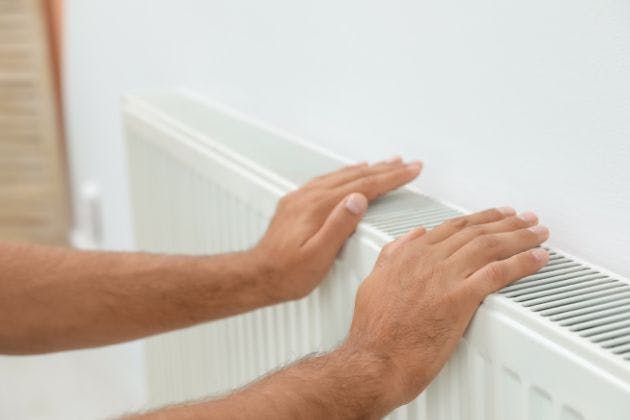
Quick checklist: what to look at first
Before you start, make sure your heating is on and the boiler and pump have been running for at least 15 to 20 minutes. Then work through these steps in order.
Check the radiator valves are open
Note where the radiator is cold (top, bottom, all over)
Bleed trapped air if needed
Gently check the TRV pin is not stuck
Check lockshield valve position and basic balancing
Look for signs of sludge or blockage
Glance at the boiler pressure gauge
Top cold, bottom hot: usually air trapped and needing a bleed.
Bottom cold, top warm: often sludge, limescale or poor flow.
Radiator completely cold: more likely valves, pump or pressure.
1. Valve positions and basic checks
Every radiator typically has two valves: a thermostatic radiator valve (TRV) or manual valve on one side, and a lockshield valve on the other. Both need to be open enough for hot water to flow through.
Turn the TRV or manual valve fully anti clockwise to open it. On the lockshield side, remove the plastic cap if there is one and gently turn a quarter turn anti clockwise with an adjustable spanner. Do not force anything that feels stuck or you risk a leak.
2. Bleeding a radiator with air trapped at the top
If the top of the radiator is cold but the bottom is hot, you almost certainly have trapped air. This is very common after summer in older Cambridgeshire heating systems around Littleport, Ely, and Witchford where radiators have not been used for a while.
To bleed safely:
Switch off the heating and let radiators cool a little.
Place a cloth under the bleed valve at the top corner.
Use a radiator key to turn the valve slowly anti clockwise.
Listen for hissing air, then close it when a steady trickle of water appears.
Wipe up any drips and then turn the heating back on. Check if the radiator now heats evenly from bottom to top. If you have to bleed the same radiator repeatedly, that points to a bigger system issue and you should speak to an engineer.
3. Stuck thermostatic radiator valve (TRV) pins
In older homes around Cambridgeshire, including Littleport, Ely, and Witchford, TRVs often seize up after sitting unused through the warmer months. The plastic TRV head controls a small pin that opens and closes the flow of water.
If the radiator is stone cold and the pipe on the TRV side is also cold, try setting the TRV to the highest number. Gently unscrew and remove the TRV head, then look for the small metal pin underneath. It should move up and down slightly.
Using your thumb or the blunt end of a pen, press the pin in and let it spring back a few times. Do not pull it out or hammer it. If it will not move or starts leaking, stop and call a heating engineer to avoid damaging the valve further.
4. Lockshield valve settings and basic balancing
The lockshield valve controls how much hot water flows through each radiator. If it is almost shut, the radiator may stay cold while others get all the flow, especially radiators at the end of longer pipe runs common in older homes in Littleport, Ely, and Witchford.
As a simple test, carefully open the lockshield a quarter turn at a time, waiting a few minutes between adjustments. If the radiator begins to warm, it was probably starved of flow. Full system balancing is best left to a professional, who will adjust every radiator so each room heats evenly.
5. Sludge, limescale and partial blockages
If the radiator is warm at the top but cold and patchy across the bottom, that suggests sludge or limescale build up in the lower section. In hard water areas like much of Cambridgeshire, including Littleport, Ely, and Witchford, older heating systems are especially prone to this.
Over time, rust particles and limescale settle in radiators and pipework, restricting water flow. You might also notice noisy pipes, discoloured radiator water when bleeding, or some radiators always heating more slowly than others.
Clearing sludge usually needs specialist equipment such as powerflushing or targeted cleaning chemicals. This is not a DIY job, as incorrect use can damage older pipework and radiators. An engineer can advise whether cleaning, adding magnetic filters or replacing very old radiators is the best option.
6. Pump and system pressure issues
If several radiators at the far end of a house in Littleport, Ely, or Witchford are cooler, or one upstairs radiator never heats properly, there may be an issue with the circulation pump or boiler pressure. The pump may be set too low or beginning to fail.
On a sealed system, check the boiler pressure gauge when the system is cold. Most manufacturers recommend around 1.0 to 1.5 bar when cold, but always check your boiler manual. If pressure is very low, the boiler may not circulate water effectively.
You can usually top up pressure using the filling loop, but if it keeps dropping, there is likely a leak or component fault that needs professional attention.
Safety first: stop and call an engineer if...
You see any leaks at valves, pipes or the boiler.
Boiler pressure keeps dropping after you top it up.
The boiler shows fault codes, lockouts or warning lights.
Radiators or the boiler feel excessively hot, or you hear loud banging.
You ever smell gas or see signs of scorching or burning.
In any of these cases, switch the heating off and contact a qualified heating engineer promptly.
Radiator troubleshooting FAQs
Why is one radiator cold at the top?
A radiator cold at the top but hot at the bottom almost always has trapped air. Bleeding the radiator as described above normally fixes this. If air returns after a few days, there may be a circulation or corrosion issue that a professional should investigate.
Do I need balancing if only one radiator is cold?
If just one radiator is slightly cooler, a small tweak to its lockshield may be enough. Full balancing is more important when several radiators are cooler, some rooms overheat while others are chilly, or radiators furthest from the boiler never seem to catch up.
A heating engineer can balance the system properly using temperature readings, especially helpful in larger or extended homes in Littleport, Ely, and Witchford with mixed old and new pipework.
What if bleeding drops the boiler pressure?
When you bleed radiators, you release water as well as air, which can lower system pressure on a sealed boiler. After bleeding, check the pressure gauge with the system cool.
If pressure has dropped below the recommended range, you can usually top it up using the filling loop as shown in your boiler manual. If uncomfortable or pressure keeps falling, call a heating engineer to check for leaks or expansion vessel issues.
When to get professional help
If you have worked through the simple checks and one radiator still won’t heat, there’s likely an underlying issue such as a failed TRV, sludge build-up, pump setting, control problem, or ageing pipework. Sorting these early improves comfort and protects your boiler.
For friendly, expert help in Littleport, Ely, Witchford, and across Cambridgeshire, contact Beach Plumbing & Heating on 01353362034. You can book a diagnostic visit, arrange radiator or TRV replacements and leak repairs through our Plumbing Services, or discuss upgrading your controls with our Smart Thermostat Installation to get better zoning and control over your heating.